
Blanket the World With Love Project | Introduction to Kawandi-Style Quilting Workshop
Shop – Kawandi Gift Wrap | Color Duets – Kaffe Fassett | Erin Lee Gafill
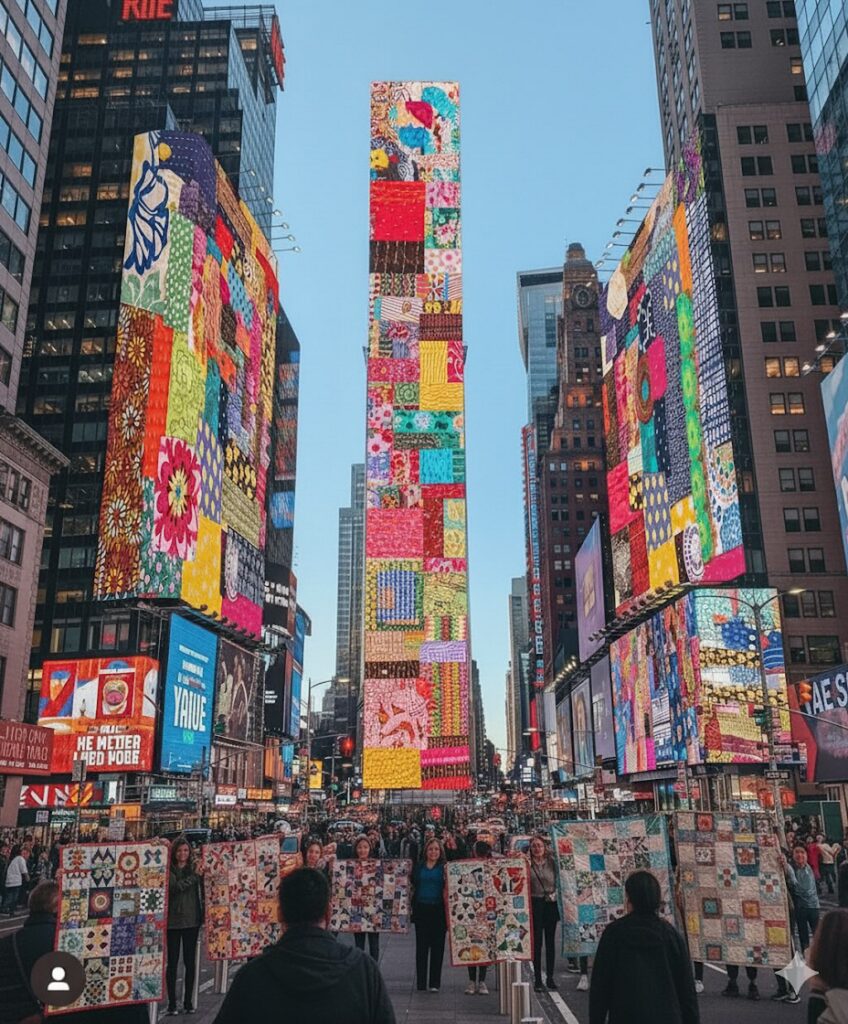
Blanket The World with Love is a social art project created by artists Erin Lee Gafill and Emily Birmingham to bring us together around the act of stitching. Activations invite participants to engage in designing and stitching a quilt together all at the same time Kawandi-style.
This work, amplifies themes of personal agency, working in community with your hands, and a sense of belonging. Working with used textiles, often distressed, worn, or discarded, we are mending that which is broken, in fact transforming it into something new, useful, and beautiful.
This work brings awareness to resources and resilience, seeing textile waste as source material for making art, and the act of making in tandem with others an antidote to the epidemic of loneliness.
Introduction to Kawandi-Style Quilting – workshop details
To Be Announced
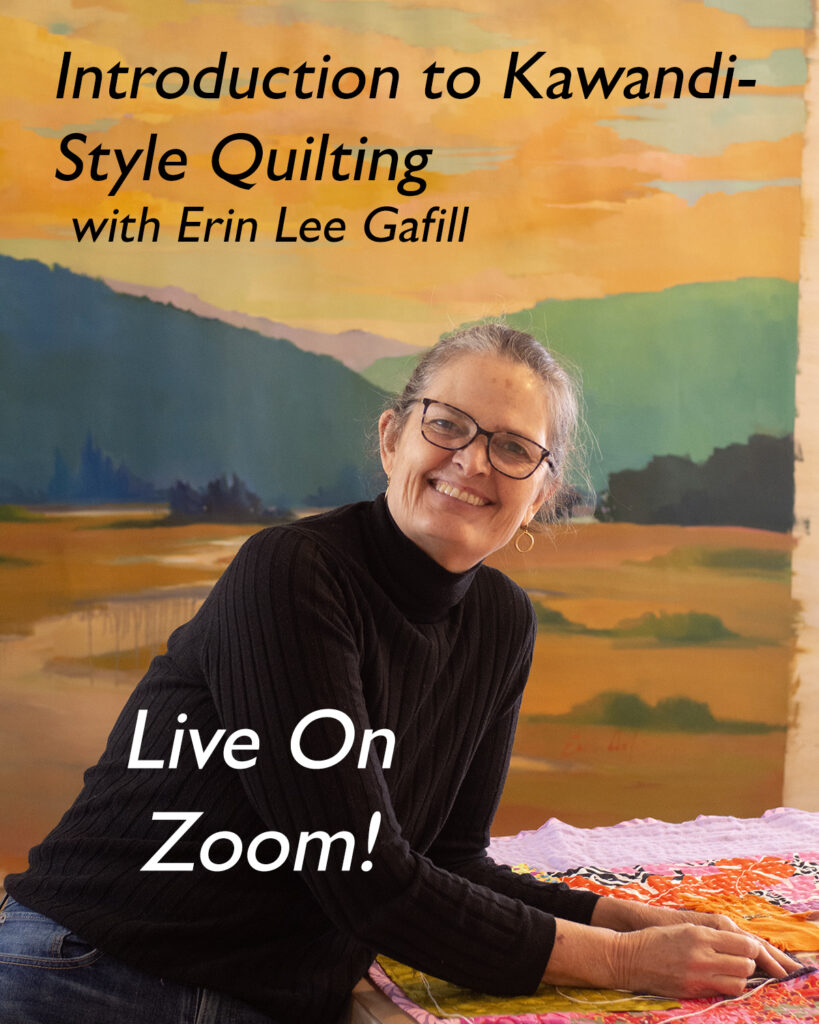
with Erin Lee Gafill
Live on Zoom!
Three hours | $50
Optional materials kit: $34 (includes $9 shipping)
Learn to stitch, design, and quilt a textile entirely by hand!
Kawandi quilting is a meditative, intuitive hand-stitching tradition practiced by the Siddi women of Western India — one of the most joyful ways to turn fabric scraps into a beautiful textile. I began stitching in this method during the pandemic, and it truly changed my life. In this three-hour workshop, I will guide you through the Kawandi “outside in” construction and the design-as-you-go aesthetic, helping you tap into your creativity and develop your own artistic voice — one stitch at a time. (more info)
As a painter and fine artist, I love the organic nature of design this method offers. I also appreciate that you can stitch Kawandi anywhere — on your couch at home, waiting for an airplane, or sitting around a table sharing the creative process with friends.
Bust out your fabric stash, upcycle old garments, and create a work of art with a warm and welcoming online community. A materials kit is also available if you need supplies. If you can thread a needle, you’ll find this technique approachable and easy to learn.
Workshop details:
- Kit includes: placemat-size cotton batting, backing fabric, needles, threads, and assorted piecing fabrics
- Three hours | $50
- Optional materials kit: $34 (includes $9 shipping)

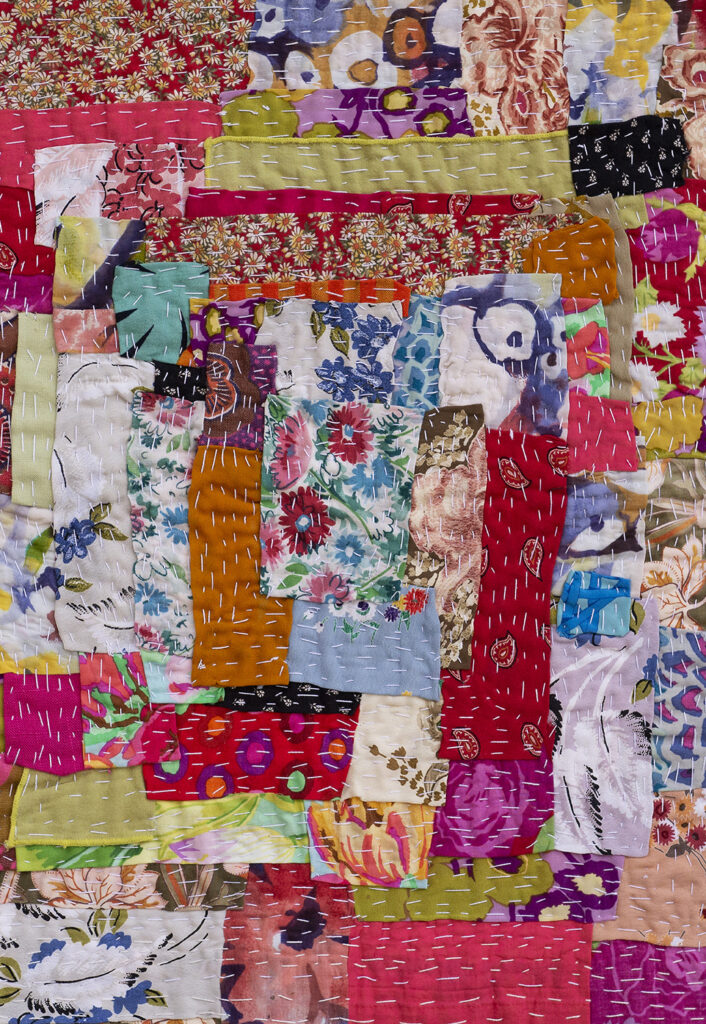
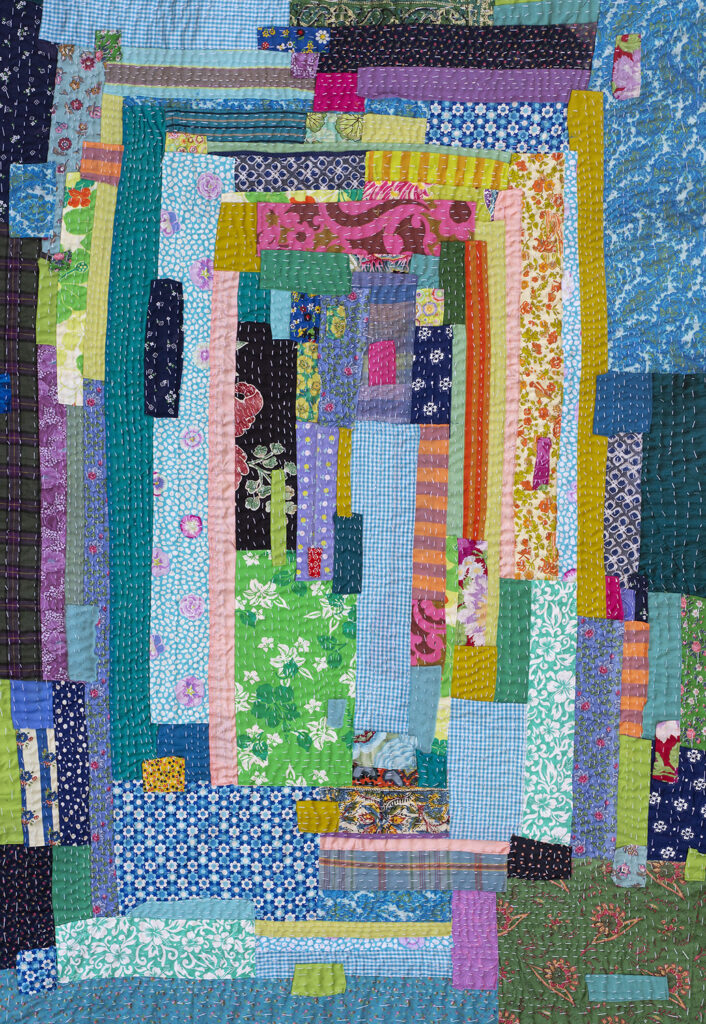
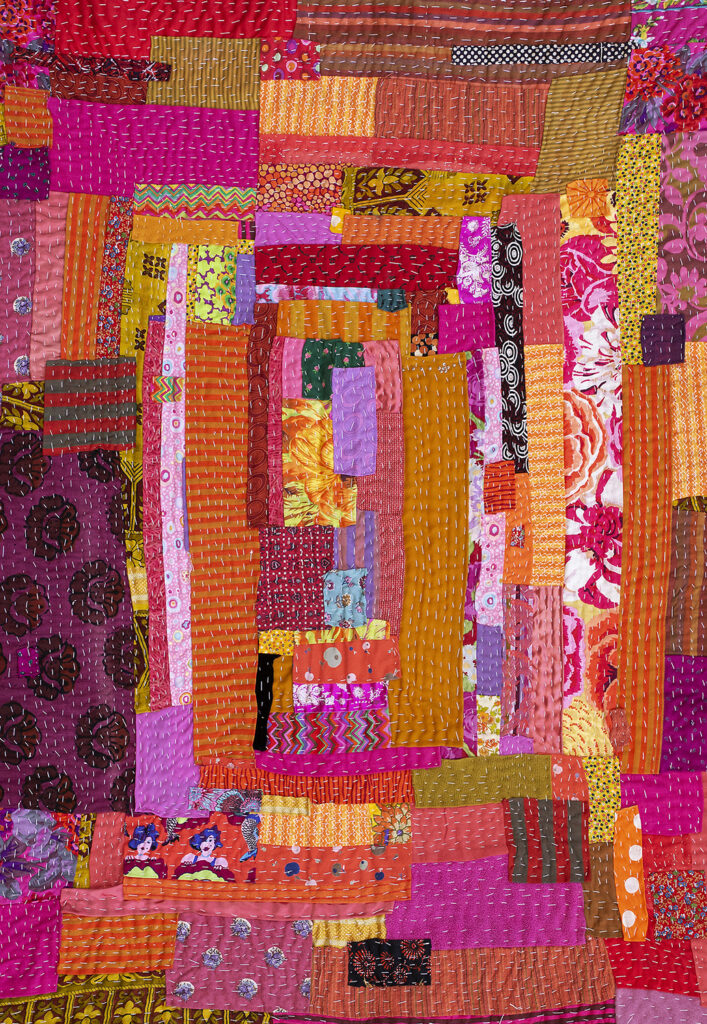
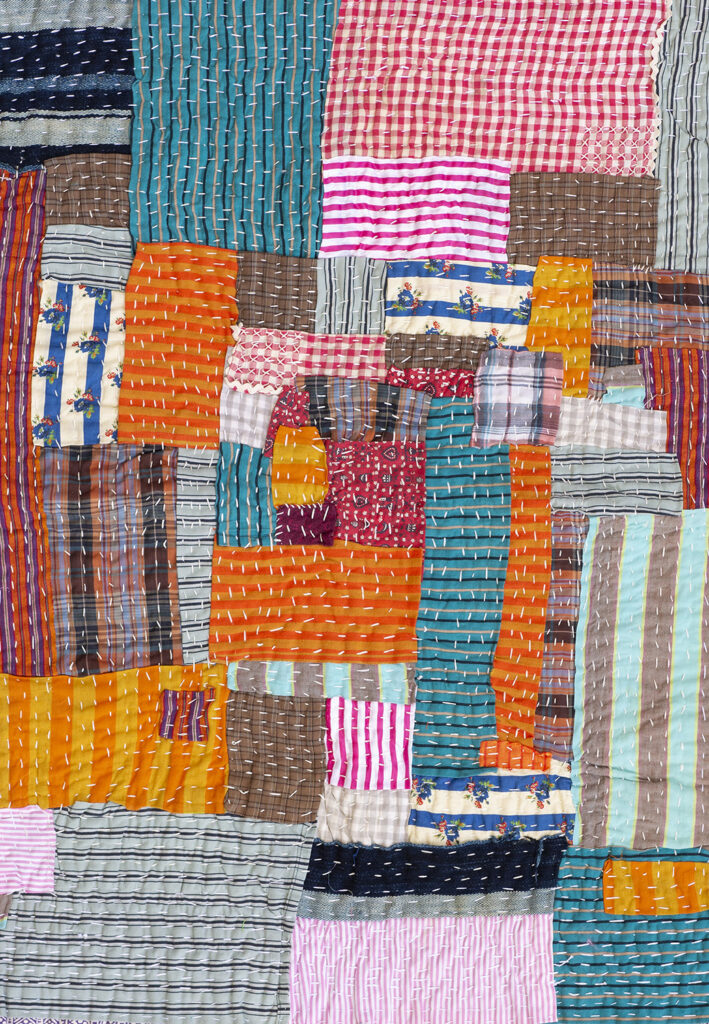

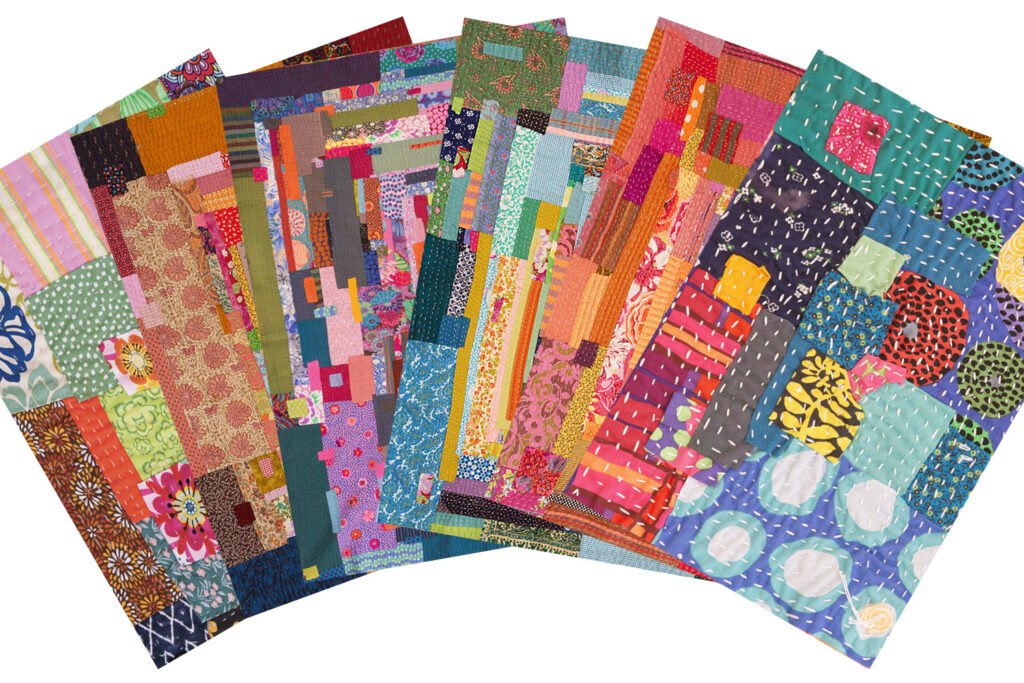
Kawandi Style Gift Wrap
6 sheets – 6 quilts – 29″ x 20″ – $24.50
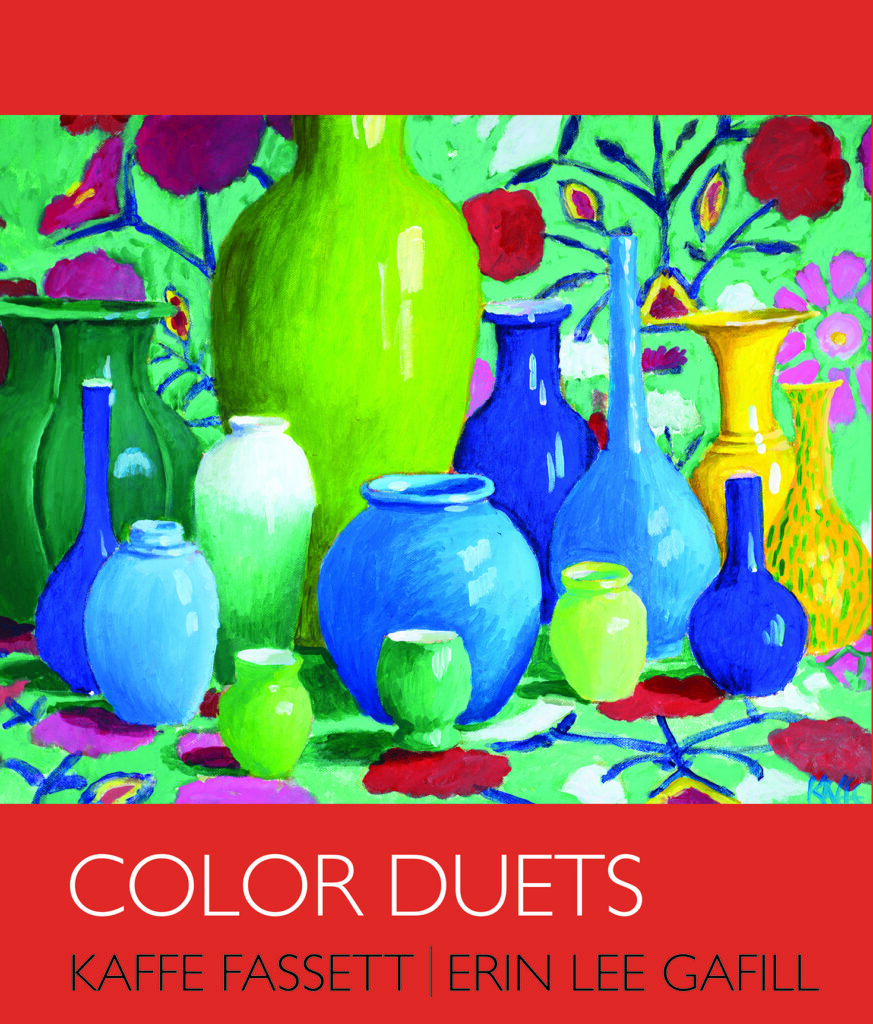
Color Duets is a coffee table book of original artwork, textiles, and family stories. It memorializes a series of artist retreats shared by Kaffe Fassett and his niece, Erin Lee Gafill over twelve years.
This book serves as a catalog for Color Duets, a museum show which opened in May, 2021 at the Monterey Museum of Art in Monterey, California.
Supplies List –
- 16”x20” Backing fabric (thin cotton weight is ideal)
- Thin cotton batting to fit inside backing with at least a half inch margin on all sides (15”x19” to fit 16”x20”). You can also replace batting with a thin fabric (avoid high thread count sheet material).
- Ample bits and bobs of fabrics of varying sizes, colors, patterns, of a thin weight, including a few larger pieces for scale.
- A few Sashiko, Chenille needles, or embroidery needles that fit your thread. I am currently loving a long thin large-eyed Sashiko needle from Tulip.
- 1 spool of #8 or #12 perle cotton thread. White is traditional. Or choose a color to your liking. Embroidery floss works! Just two or three strands at a time to fit your needle.
- Scissors or nippers.
- Optional: Pins and a pin cushion.
- Optional: a piece of cardboard slightly larger than the project for ease of hand stitching (and to protect the table)
When choosing fabric I recommend spending some time gathering colors and patterns that feel good together AND toss in some that seem quite odd, weird, even ugly. The traditional method is to use discarded saris. So upcycling your old clothes and textiles works perfectly. Often those odd remnants add the sparkle! Think scale – some larger pieces as well as smaller. The contrast in proportion (big to little) provides a lot of fun! Also, a bigger piece can always be cut down.